

How R&R Brands Scaled From a Single Brand
to a Multi-Brand Platform
 Podcast Episode #28 · 42 min
May 6, 2026
Welcome to Founderology –
Built to Breakthrough,
the ultimate podcast created by Founders, for Founders.
Founderology is your go-to resource for actionable insights and proven strategies to propel your business and yourself to new levels of success.
 Hosted by Kathleen Wood
Each episode is designed to speak the unique language of Founders and address the challenges, opportunities, and triumphs of the Founder journey.
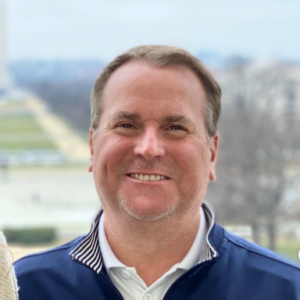 Guest Scott Taylor
Co-Founder and CEO of R&R Brands
to turn small businesses into award-winning concepts, national expansions, and billion-dollar brands.
Each episode is designed to speak the unique language of Founders
and address the challenges, opportunities, and triumphs of the Founder journey.




How R&R Brands Scaled From a Single Brand
to a Multi-Brand Platform
R&R is trail blazing a new path in the multi-concept space: six brands and growing, anchored by Party Fowl, Bravo Brio, Cody’s Original Roadhouse and Santa Fe Cattle Co., built on a model that partners with Founders instead of swallowing them or chewing them up. In this conversation, Scott held nothing back on what it actually takes to scale from a single brand to a multi-brand platform without losing the soul of any of the brands.
The multi-brand model that isn’t private equity and isn’t a gotcha
R&R is not a private equity roll-up business. It is not a franchise machine. It is something Scott, his partners and team are building deliberately to fill a gap he saw firsthand: smaller Founder-led businesses need infrastructure and a partner, not a buyout and a pile of paperwork. This is something every Founder weighing outside help or investment needs to hear.
- Why R&R was built as a family-office-backed strategic partnership, not a private equity vehicle.
- How the model leaves the Founder in a stronger position whether the end game is acquisition, partnership or support.
- The “we leave it better” philosophy that separates real partners from gotcha deals
How Party Fowl went from bankruptcy to six locations without losing a single team member
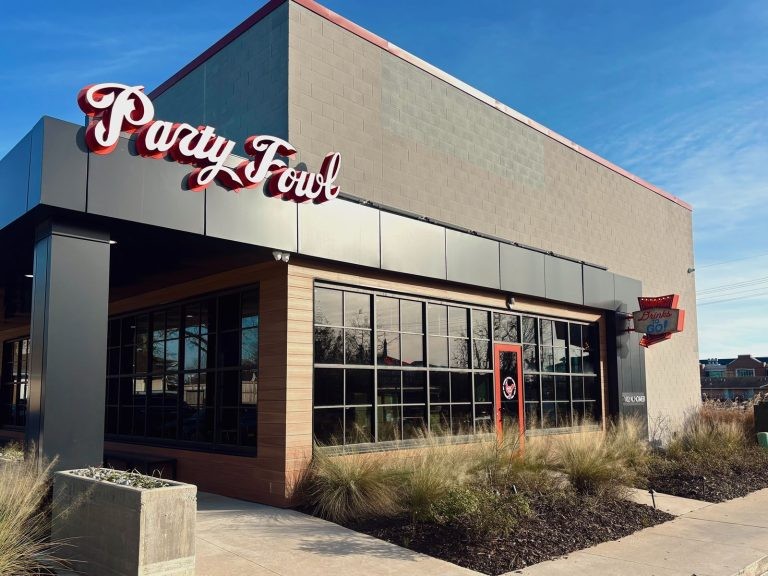
Seven restaurants down to two. A brand like so many that had lost its identity, its menu and its swagger. Scott walks through what he actually did in those first weeks at R&R’s first major rebuild. The conversations he had with the remaining team that turned an underdog story into a 14-month turnaround. This part alone is worth pressing play.
- The first questions Scott asked the team to find the brand DNA again
- Why the underdog mindset became the rebuild’s most powerful tool
- How not a single team member left during the turnaround
Why every R&R brand has someone whose fob is to push back on R&R
This is the structural decision that defines how Scott runs the platform. Inside every brand sits a leader whose job is to defend the brand DNA. Even when it could be so at the R&R level would
be to consolidate menus, vendors or operations across the portfolio. Scott explains why scaling six identical brands is not the win it looks like on paper.
- The brand-protector role embedded in every R&R concept
- The trade-off between platform efficiency and brand integrity
- What happens the moment a multi-concept operator stops protecting what made each brand work
Why culture, not food, not price, is the only real moat
Scott is a leader who leads with a culture first mentality. He walks through the team member sentiment scoring he runs on day three of every R&R engagement. He shares why team sentiment is a leading indicator of sales trends long before the financials tell you anything. He speaks specifically to;
- Team member sentiment questions that actually move the needle.
- Why people leave jobs for money but leave brands for broken relationships
- How to turn the team first and watch every other metric follow
The decision-making matrix every founder needs before they build a second brand
Must Consult – Must Inform – Don’t Worry About It. Scott shares this simple and powerful framework he uses with leaders across the R&R portfolio. H explains why most Founders who want to launch a second concept are not actually ready, even when they think they are. His take on the Founder who insists on driving two buses at once and getting stuck is the kind of thing you do not forget once you hear it.
- The three-tier matrix every Founder can use to clarify decision rights
- How to know when you have actually replaced yourself as a steward of the brand
- The single test that tells a Founder whether they are ready for a second concept
Scaling with soul, and why the soul goes first when you are not watching
This is the heart of how Scott runs R&R. He shares how he balances internal cultivation with outside talent across six brands, why franchising is the moment a multi-concept platform either holds or breaks, and what he does to make sure each brand keeps its swagger as the platform grows.
- The balance between cultivating internal talent and bringing in outside experience
- Why franchising is where most multi-concept platforms lose the soul of the brand
- What “scaling with soul” actually looks like in execution across six brands
The mic drop: the most important thing every founder should know
I asked Scott what he would say to a Founder who is stuck right now, too big to be small and too small to be big. If you want to know it you have to listen for it and you definitely don’t want to miss it!
If you are a Founder saying to yourself, I am just stuck and What do I do next?, this episode answers that question in so many real and meaningful ways. Listen now wherever you get your podcasts and hear real insights from Founders who are building brands to breakthrough!
Kathleen Wood is the Founder and CEO of Kathleen Wood Partners, a growth strategy firm dedicated to founder-led businesses. She is the creator of the Power of One framework, the host of the Founderology — Built to Breakthrough podcast, and the author of Built to Breakthrough: From Founder Hustle to Unstoppable Growth.
You May Also Like…
The Big Dilla: How Dillas Quesadillas Built a Brand by Creating Its Own Segment
Most people see a quesadilla as an appetizer. Maggie Gordon and her Co-Founder Kyle saw a national brand. In this episode, the Dillas Quesadillas Co-Founder shares how focusing on one menu item created a segment of their own.

Bloomin’ Leadership Lessons
Tim Gannon joined Outback at 40, $400,000 in debt and holding $37. Today he’s the creator of the Bloomin’ Onion, the No. 1 casual-dining appetizer for 37 years. In this episode, the Outback Steakhouse Co-Founder shares the leadership lessons behind an iconic brand.

What is Driving Kona Ice’s Success
It started with the worst ice cream truck experience a parent could imagine. Today, Tony Lamb’s Kona Ice is the largest food truck business in the U.S., with 2,200 franchises in all 50 states and over $350 million in sales. In this episode, he shares the decisions that got it there.
How Steele Smiley Sold a Fitness Empire to Bet on Healthy Fast Food
Steele Smiley spent 15 years building a fitness empire with 900+ U.S. franchisees. After a noncompete locked him out of that industry, he founded CRISP & GREEN anyway – despite experts telling him it wouldn’t work. Today it’s a 53-location healthy fast casual brand, and he’s been called the modern-day Ray Kroc of the category.
Real Talk, Damn Good Biscuits and Growing a National Brand
The people who get you to three stores are not the people who get you to 50. Lauren Coulter, co-founder of Biscuit Belly, shares the hiring mistakes, hard calls, and intentional planning behind growing a national brunch brand.
Urban Bird Hot Chicken’s Stuck-to-Spectacular Growth
Brandon and Chantel spent 20 years building 32 Wingstop franchises. Then they let it all go to bet on themselves, opening the first Urban Bird Hot Chicken in a space another restaurant left behind. In this episode, they share how a bad lease turned into spectacular growth.